
All Posts

When AI Becomes the First Call: A Practical Guide to Teen AI Use for Therapists
Have you ever had a teenage client describe a really hard week and then mention, almost in passing, that they had already talked it through at two in the morning with something that isn't a person? They usually say it lightly. I just asked ChatGPT. And then they move on, because to them it isn't the interesting part of the story. It might be the most interesting part of the story. Three in four teenagers have now used an AI companion. Nearly two-thirds use one regularly. One in three has gone to
Bicultural Identity in Latino Kids: The Complete Evidence-Based Therapist's Guide to Tools That Work
Evidence-based approach to bicultural identity therapy with Latino children. Includes research, clinical frameworks, and 8 ready-to-use tools for therapists, counsellors, and school psychologists. Something a school counsellor said to me recently has been stuck in my head. She works with a lot of Latino kids, many of them second-generation, navigating Spanish at home and English everywhere else. And she said: "I do all the culturally competent things. I learn about their background, I'm respectf
Addressing Attention-Deficit/Hyperactivity Disorder In The Workplace.
Adults With ADHD Are Already In Your Therapy Room, You Just Might Not Know It Yet There's a pattern that keeps coming up in conversations with therapists in my community. A client has been struggling at work for years. Missed deadlines, conflict with a manager, that horrible stuck feeling where they know exactly what they need to do and absolutely cannot make themselves start it. They've been told they're not living up to their potential. They've internalised it. They come to therapy for work st
9 Self-Esteem Worksheets for Teens That Go Beyond Positive Thinking
A teenager sits across from you. School is fine. Friends exist. Nothing catastrophic has happened. By most external measures, they are doing okay. But somewhere between elementary school and now, a quiet voice has taken up permanent residence in their head. And it does not say kind things. This is one of the most common presentations in adolescent therapy right now and one of the hardest to address with standard approaches. Positive affirmations bounce off. Generic coping strategies miss the sou
9 Therapy Worksheets for Young Adults Feeling Behind in Life
A 26-year-old sits across from you. Nothing catastrophic has happened. They have a job, a flat, a reasonable social life. By most measurable standards, they are doing fine. And yet the first thing they say is: "I feel like I'm behind." Behind who? Behind what? The answer, when you press on it, is vague, a composite of what their friends have, what their parents expected, what Instagram surfaces every morning, and a script about what a life in your mid-twenties is supposed to look like by now. Th
7 Emotionally Focused Therapy Techniques for Couples Therapists
Seven practical EFT techniques for couples work, from mapping the negative cycle to the softening moment. Includes a free worksheet and a done-for-you workbook for therapists. Two people sit across from you. They have done this before; the same argument, the same silence, the same drive home where neither of them speaks. By the time they're in your room, they've each privately decided the problem is the other person. Emotionally Focused Therapy, developed by Sue Johnson, starts from a different
Why Sibling Fights Keep Repeating (And the Framework That Actually Changes It)
Two children. One broke what the other was building. There is crying, shouting, a story you have already heard three times in as many weeks. You step in, de-escalate the situation, and when things settle, you turn to whoever caused the damage and say: "Now apologise." The word gets said. Monotone, reluctant. Everyone moves on. And next week it happens again. This is not a parenting failure or a behaviour problem; it happens when conflict ends before it has actually been resolved. This post walks
Nervous System Regulation in Session: A Practical Guide to Polyvagal-Informed and Somatic Tools for Therapists
The client is describing something that happened three weeks ago. Her voice is steady. She's choosing her words carefully. And when she pauses to collect her thoughts, you notice her jaw has been clenched for the past ten minutes. She is articulate, self-aware, and genuinely trying. Her nervous system is somewhere else entirely. This is one of the most common and most important moments in clinical practice: a client who can narrate her experience clearly, but whose body hasn't processed any of i
Why Psychoeducation Handouts Might Be the Most Underused Tool in Your Therapy Kit
A practical guide to psychoeducation handouts for therapists. What they are, why they work, the different formats, and how to choose the right one for the right client moment. Your client has just described the same pattern for the third session running. They understand it in the room with you. They nod. They can articulate it back. And then they go home, and the understanding disappears under the weight of their actual week. It's not that they're not trying. It's that a verbal explanation in a
The Most Useful Therapy Worksheet Categories to Keep on Hand
You're three minutes into session and you know exactly what would help. Your client is circling the same thought loop, or they're stiff with anxiety, or they need permission to name something they've been swallowing. You open your digital folder, scan through eighteen different documents, and realise none of them are quite right. So you improvise. You sketch something quickly on a notepad. It works, but it takes energy you didn't have to spare, and you can't reuse it cleanly next time. Most ther
7 Ways Therapists Can Turn Clinical Knowledge into Digital Products
You have spent years in training. You have sat with hundreds of people through some of the hardest moments of their lives. You have built a toolkit in your head, a way of thinking, a clinical instinct that takes years to develop. And yet, if you stopped seeing clients tomorrow, that knowledge would just sit there. Unused. Earning nothing. That is not a reflection of your value. It is a reflection of how therapists have traditionally been taught to think about income. Time in, money out. One sess
How to Use Therapy Worksheets More Intentionally in Session
There is a particular kind of worksheet guilt that most therapists know well. You found a good one online. Maybe you even made one yourself. You printed it, handed it to your client, watched them scan it politely, and then spent the next session noticing it had not really landed. It sat on their kitchen table. Or in their bag. Or got lost entirely. The worksheet was fine. The timing was off, or the setup was missing, or there was no real bridge between the paper and the work you were doing toget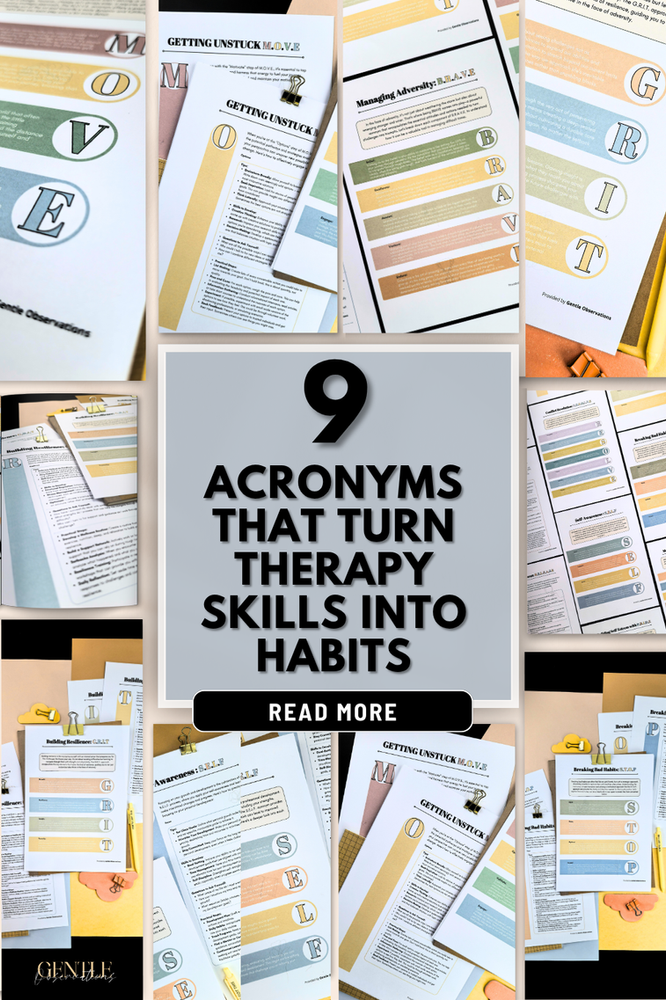
9 Acronyms That Turn Therapy Skills Into Habits
Relationships & Communication, Teens & Adolescents (Ages 13-19), Adults (Ages 20+), Therapeutic Tools & ResourcesCommunication, Coping Skills, WorksheetsWhy Clients Forget Skills After Session: Understanding the Challenge Have you ever noticed how clients can fully grasp a skill during a session, but when a stressful moment arises, it seems to vanish? They may nod along, practice the steps with you, and even feel confident leaving the room. Yet later, when they need the tool most, their mind goe
3 Classroom Activities That Teach Impulse Control
Why Impulse Control Shapes the Classroom Experience Have you ever had a student blurt out the answer before you finished asking the question? Or watched a small disagreement between peers suddenly spiral into a full-blown conflict? Moments like these can shift the entire classroom atmosphere in seconds. Impulse-driven behaviors are not just frustrating; they can leave students feeling misunderstood and disconnected from their peers. For you, it can feel like you are constantly putting out fires
30+ Executive Functioning Strategies Across 7 Core Areas
When Daily Tasks Feel Like Climbing a Mountain Have you ever sat staring at your to-do list, knowing exactly what needs to get done, but still feeling completely stuck? Maybe you bounce between tasks without finishing, lose track of time, or forget small but important details. It is frustrating, and it can leave you wondering, “Why does everything feel so much harder than it should?” The truth is, you are not lazy. What you are bumping up against is called executive functioning, your brain’s con
The Reassurance Trap: Why OCD Feels Stronger and How to Stop It
Why Reassurance Feels Good but Keeps You Stuck Have you ever caught yourself asking the same question again and again, even when you already know the answer? Maybe you checked if the door was locked. Maybe you asked someone if everything was okay. Or maybe you scrolled back through a text just to be sure. For a moment, the answer feels comforting. Then the doubt slips back in. Stronger than before... This is the cycle that makes Obsessive-Compulsive Disorder (OCD) so draining. An intrusive thoug
8 Executive Functioning Skills That Make or Break a Child’s School Day
Some days it might feel like you’re just putting out fires. One child is overwhelmed before the lesson even starts, another is spiraling after a minor transition, and your plans for the session? Gone. You’re not alone if you’ve ever sat there wondering, "Is this resistance, or is something else going on?" Many of the struggles you see, the impulsivity, the emotional outbursts, the messy desks, the endless procrastination, aren’t signs of defiance. They’re signs of underdeveloped executive functi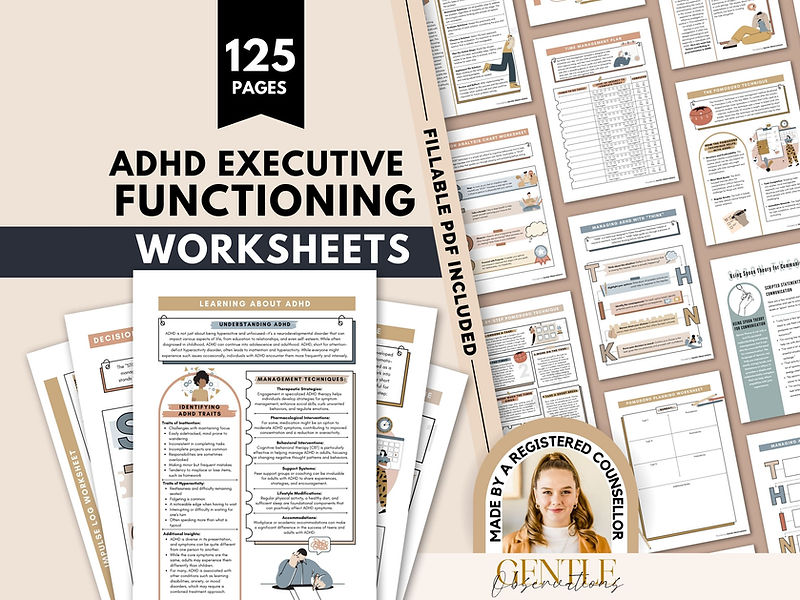
ADHD Paralysis vs. Procrastination: What’s Really Holding You Back?
Ever had one of those days where the simplest task feels like climbing a mountain? You know what needs to be done, it’s not even that complicated, and yet… nothing happens. You sit. You freeze. You scroll. You pace. You tell yourself, "Just start!" but your brain refuses to cooperate. If this sounds familiar, you’re not alone , and you’re not lazy. That frozen feeling has a name: ADHD paralysis. It's a form of executive dysfunction that shows up when your nervous system is overloaded and your br
Motivational Interviewing in Tough Sessions: 7 Strategies That Work
You know the theory. You’ve had the training. And you’ve seen Motivational Interviewing work beautifully in session after session. But then there's that one client who keeps circling the same issue, week after week. No forward motion. No shift in motivation. Just a loop of "maybe," "not yet," or "I don't know." That loop? It can leave you feeling stuck, too. When that happens, it doesn’t mean you’re doing anything wrong. It just means something’s getting in the way, and it might be time to shift
7 Sneaky Signs You’re Self-Sabotaging Without Realizing It
You set the goal, you make the plan, you even clear your schedule... and then suddenly, you find yourself reorganizing your bookshelves or deep-diving into cat videos instead of doing the thing you actually want to do. Sound familiar? That gap between what you want and what you do? That might be self-sabotage at work. Self-sabotage isn’t about being lazy or broken. It’s the patterns and habits that sneak in and quietly block your progress. You might be aiming for something important, a healthier
Why Avoiding Your Emotions Isn’t Working-and What ACT Suggests Instead
If you've ever caught yourself thinking, "I just need to stop feeling this way," you're not alone. Most of us learned somewhere along the way that uncomfortable emotions should be fixed, avoided, or pushed aside. And when that doesn't work, when the anxiety is still buzzing, or the sadness won't lift, it's easy to feel stuck or even like you're doing something wrong. But here's the thing: your emotions aren't problems to be solved. They're messengers. And trying to silence them often adds more s
7 Printable Grief Activities You Can Use Right Away
Why Grief Feels Different for Everyone Have you ever noticed how grief seems to show up when you least expect it? Maybe it comes quietly at the end of the day when the house feels too still, or maybe it rises suddenly when you see something that reminds you of the person or life you lost. Grief touches each of us in different ways, and it often feels even more complicated when children are also involved. For adults, grief might look like struggling to focus at work or feeling waves of sadness th
Restorative Justice Strategies for School Counselors and Educators: 5 Steps to Build Trust, Connection, and Reduce Student Conflicts
The start of a new school year always has its own kind of magic. There’s the hum of possibility in the air, fresh notebooks waiting to be filled, pencils sharpened and ready, and plenty of chances to set a positive tone for the months ahead. For school counselors, this isn’t just a date on the calendar. It’s a chance to press reset and set the stage for how the year will feel, look, and flow. Of course, the start of the year can be a lot. You’re meeting brand new faces, checking in with familiar
Teen Therapy Just Got Easier: 700+ Tools to Help Teens Regulate, Reflect, and Reconnect
Have you ever sat across from a teen who suddenly shuts down in the middle of a conversation? Or maybe they’ve gone from calm to completely overwhelmed in seconds. One moment they’re in the room with you, the next it feels like they’ve disappeared behind a wall of silence, anger, or panic. If you’ve been there, you know how heavy those moments can feel. It can feel like holding the weight of their emotions with no clear path forward. As a school counselor or therapist, you likely see these momen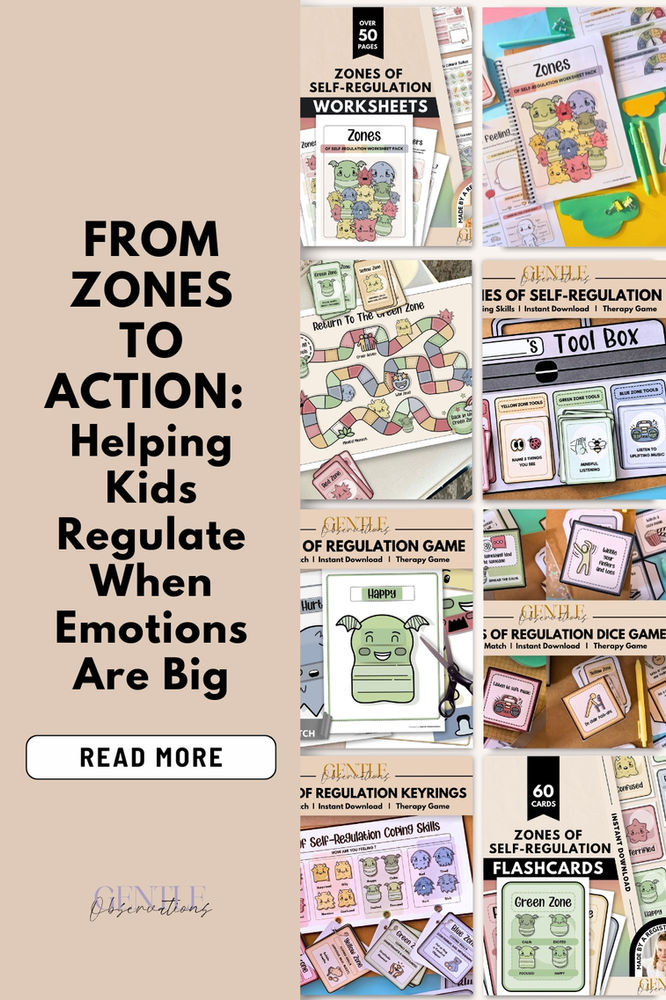
From Zones to Action: Helping Kids Regulate When Emotions Are Big
Have you ever had a student proudly point to the color zone they're in... only to spiral minutes later when something goes wrong? It can be so disheartening. You've spent time teaching the zones, hanging posters, practicing check-ins. And yet, when emotions run high, many kids freeze, act out, or shut down. Not because they aren't learning, but because there's a gap between naming a feeling and knowing what to do with it. Maybe you've seen a child correctly identify the Yellow Zone, but sit ther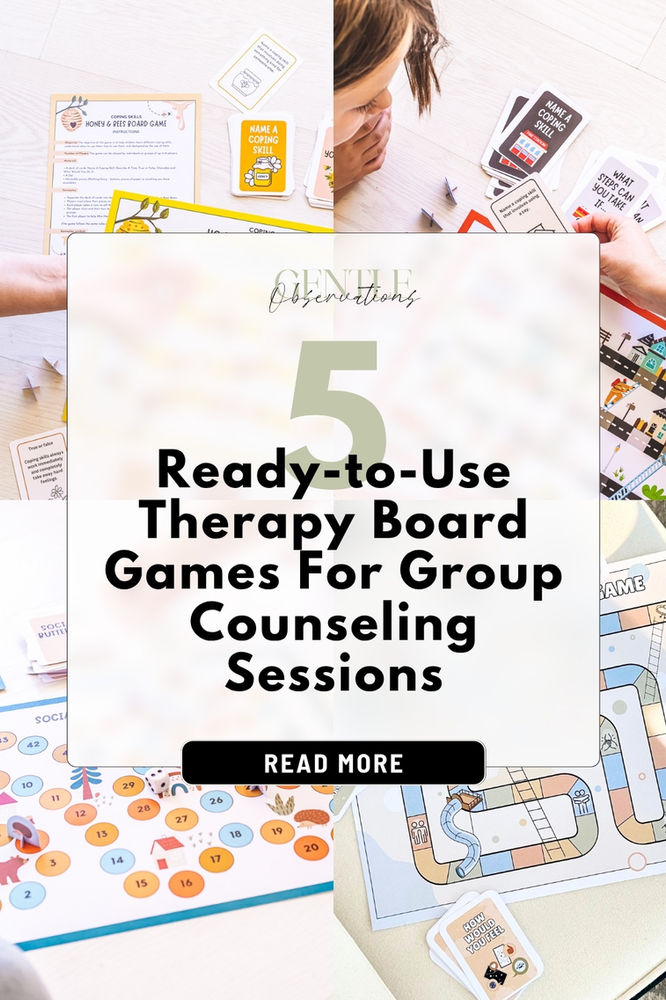
5 Ready-to-Use Therapy Board Games For Group Counseling Sessions
You’ve probably had one of those days: a group of students is staring at you with crossed arms, nervous glances, or complete silence. You’ve prepped your session, but getting them to open up? That’s another story. That’s where therapy board games become your not-so-secret weapon. Games break the ice, lower defenses, and give students something concrete to focus on, so the pressure of "sharing" doesn’t feel quite so big. They turn difficult topics like friendship conflict, big emotions, and socia
6 Weeks of EBSA Support: A Gentle Framework for School Counselors
It always starts the same way: A student who’s been doing "okay" suddenly starts missing days. At first, it’s just a few here and there. Then it’s full weeks. Then they disappear from the hallways altogether. And you're left wondering: Where do I even begin? Emotionally Based School Avoidance (EBSA) can bring that quiet, sinking feeling to your day, the one where you know something deeper is going on, but you’re not sure how to reach the student without pushing too hard or too fast. You’ve proba
Inside Out 2 Tools: Building Compassionate and Supportive Classroom Communities
Why an Emotionally Supportive Classroom Matters As school counselors and educators, you know how essential it is to create a space where kids feel safe, understood, and supported. After all, a child’s emotional well-being is just as important as their academic success. Children today navigate many complex emotions, from excitement about new challenges to anxiety over upcoming tests. Helping them understand and manage these feelings is key to their overall growth, and to their ability to thrive s
8 EMDR Phases, 1 Toolkit: What Every Therapist Needs at Their Fingertips
That moment when you’re not sure whether to keep going or circle back... You know the one. You’re mid-session, deep in the desensitization phase, and suddenly your client seems overwhelmed, shuts down, or starts looping. Do you pause and return to resourcing, push forward, or switch targets entirely? Even when you’ve done this work for years, those moments can feel uncertain. EMDR gives you a clear roadmap, but that doesn’t mean the road is always smooth. Real people bring real complexity, memor
15 Printable Feelings Wheels That Help Clients Finally Say “That’s What I’m Feeling”
"Some Days, They Just Don’t Have the Words" You know the look. A client stares down, shifts in their seat, shrugs. "I don’t know... just bad, I guess." And you can feel it, there’s so much going on under the surface, but the words just won’t come. Sometimes, no matter how gently you ask or how safe the space feels, naming emotions is hard. Especially when those emotions are tangled up in trauma, anxiety, overwhelm, or just years of not being allowed to feel. Maybe you’ve tried prompts. You’ve as
30+ Trauma Tools Every Therapist Needs (And When to Use Them)
Some sessions feel like a breakthrough. Others feel like you're walking in circles — stuck in the same story, the same shutdown, the same silence. And even though you know the theory, there are days when it feels like your trauma tools just aren’t quite landing. Working with trauma is layered, unpredictable, and often emotionally exhausting. But sometimes, what makes the biggest difference isn’t a brand new modality — it’s having something simple, supportive, and ready-to-use at just the right m
5 Common Cognitive Distortions in Teen Depression (And How to Reframe Them)
Have you ever had a teen client shut down the moment you bring up their thoughts or feelings? You’re not alone. Engaging teens in therapy can feel like navigating a maze - especially when it comes to exploring their inner world. Teens often struggle to articulate what’s going on in their minds. Whether it’s the pressure to fit in, academic stress, or personal insecurities, it’s not uncommon for them to get lost in their own thoughts. And when those thoughts are distorted - like believing they’re
From Conflict to Connection: Couples Communication Worksheets (Plus Freebies!)
Why Communication Feels So Hard Sometimes Have you ever walked away from a conversation with your partner feeling like you’re speaking two different languages? You know what you meant to say, but somehow the message got lost along the way. It’s like trying to solve a puzzle with a few missing pieces—frustrating, confusing, and, at times, downright disheartening. Communication can feel overwhelmingly complex, even with someone you know so well. Sometimes it’s about the words we choose, but often,
50 Anger Management Tools You’ll Wish You Had Sooner (Get the First 25 Here!)
Anger Isn’t the Problem—Feeling Stuck Without Tools Is You know that moment when anger creeps in, uninvited? Maybe it's the clenching in your jaw, the heat rising in your chest, or the rush of thoughts that make it hard to think clearly. Whether you're a teen navigating intense emotions or an adult juggling daily stress, anger can feel overwhelming when you don't know how to manage it. But here's the truth: anger itself isn’t the enemy. It’s a signal, a response, a protective instinct. What turn
11 LGBTQ+ Therapy Tools to Support Identity Exploration (Freebies Included!)
A Safe Place to Explore Identity You know that moment—when a client hesitates, looks down, and says something like, "I’m not sure what label fits me… or if I even want one." Maybe they’re confused about attraction, maybe they’re caught between what they’ve been told and what they’re starting to feel. Either way, you feel it: this moment matters. As a therapist, you want to hold that space with care. You want to help them explore, without pressure. Offer language, without assumptions. And support
Understanding Body-Focused Repetitive Behaviors (BFRBs) — You’re Not Alone
You’re Not Alone — Why This Post Might Be Just What You Needed Have you ever found yourself biting your nails during a stressful moment or picking at your skin without even realizing it? You’re not the only one! Body-Focused Repetitive Behaviors (BFRBs) are more common than you might think. But they’re also often misunderstood, even by the people who experience them. If you’ve ever wondered why these behaviors happen, what they really mean, and how to start understanding them, you’re in the righ
6 IFS Tools Every Therapist Wishes They Had in Session (And Now You Can!)
You Know the Model. Now You Need the Tools. You’ve done the trainings, read the books, and practiced the model. Internal Family Systems just clicks for you — the language of parts and Self feels like home. But even when you know the framework inside and out, there are still those moments in session when you find yourself thinking, “I wish I had something ready to help me with this part work right now.” Maybe your client just discovered a critical manager for the first time and you want to help t
20 Maladaptive Schemas and How to Support Each One With This Therapy Workbook (Freebie Included)
When clients get it—but still stay stuck You know that moment in therapy when a client can clearly name their patterns? They know they’re always anticipating abandonment, or they recognize they constantly seek validation from others, or they admit they’re avoiding anything that might expose their fear of failure. They’re aware. Insight is there. And yet... they’re stuck. This is where the work gets tricky, right? It’s one thing to help clients identify their maladaptive schemas—it’s another to h
5 Free Self-Esteem Worksheets to Help Teens Challenge Negative Core Beliefs [DOWNLOADABLE FREEBIE]
When a Teen Believes “I’m Not Good Enough” You know that moment in session—when a teen shrinks into their hoodie after a single low grade, or when they quietly say, “I’m just not good at anything”? Sometimes it’s spoken out loud, other times it’s written between the lines of a journal prompt. Either way, it lands like a weight in the room. That feeling of “not being good enough” is more than just a passing thought. For many teens, it’s a deeply rooted belief that shapes how they interpret almost
3 Steps to Move Clients from Conflict to Clarity Using the Empowerment Triangle
A Moment You’ve Probably Witnessed Before… “I’m just trying to help, but nothing I do is good enough.” You’ve heard this in session before—maybe more times than you can count. One partner is worn down from constantly trying to smooth things over. The other is frustrated, feeling unheard or controlled. And as they both speak, you can almost see the invisible roles taking shape. One starts to sound like the Victim, the other the Persecutor, and before long, they’ve switched places. What started as
4 Proven Ways to Help Kids Manage Anxiety (Counselor & Parent Guide)
You see it in their eyes—the hesitation before stepping into a new classroom, the nervous fidgeting before bedtime, the tears welling up when something feels too overwhelming. For an anxious child, the world can feel like a constant wave of uncertainty, and as a counselor, school counselor, or parent, you’ve probably witnessed firsthand how anxiety can make even the simplest tasks feel impossible. Maybe it’s a child who clings to you at drop-off, afraid of what the day might bring. Or perhaps it 12 Powerful Boundary-Setting Scripts to Say "No" Without Guilt
Have you ever felt a quiet sense of dread when someone asks for another favor—one you really don’t have the energy for, but saying “no” feels too uncomfortable? Maybe it’s the friend who always asks for last-minute favors, a family member who unexpectedly drops by, or a coworker assigning you yet another task. If this sounds familiar, you're definitely not alone. Those uneasy feelings—whether it's guilt, anxiety, or fear of disappointing others—are incredibly common, and they can be tough to nav
5 Simple Strategies to Start Unmasking and Feel More Like Yourself
The Hidden Weight of Masking Do you ever feel like you're playing a role—adjusting your voice, your expressions, or even your interests—just to fit in? Like you’re wearing an invisible mask, carefully shaping yourself to match the expectations of the world around you? If so, you're not alone. For many teens and adults with ADHD or autism, this experience is more than just an occasional social adjustment—it’s a daily survival strategy. This is called masking, and while it can help navigate certai
Supporting an Autistic Child? 5 Practical Ways to Help Them Thrive
You’re Not Alone in This Journey Finding out that your child is autistic—or even suspecting it—can bring a mix of emotions. You might feel relief in having answers, but also uncertainty about what this means for their future. How will they navigate school, friendships, or new experiences? What can you do to support them in the best way possible? If you’re a teacher, you might be wondering how to create a classroom environment that meets the needs of your autistic students while balancing the nee
How to Help Kids Process Big Feelings: 10-Minute Emotional Regulation Tricks
You see it coming—the furrowed brow, the tense shoulders, the huff of frustration. Maybe it’s your child after a rough day at school, a student struggling to stay focused, or a young client feeling overwhelmed in session. The emotions are big, and they’re bubbling over. And in that moment, you ask yourself: How can I help them work through this without stepping in to solve it for them? We all want the children in our lives to develop the ability to navigate their emotions independently—to recogn
Fight, Flight, Freeze, Fawn—Which One Is Controlling Your Reactions?
Why Understanding Trauma Reactions Matters You’ve seen it happen before. Your child suddenly lashes out over something small—maybe a change in plans or a difficult homework assignment. Or perhaps they shut down completely, refusing to speak, their body tense, their eyes distant. Other times, they avoid things they used to love, suddenly clinging to you in moments that don’t seem stressful at all. It’s confusing, frustrating even. You wonder: Why is my child acting this way? What am I missing? He
15 Sleep Hygiene Tips Every School Counselor Should Share with Students
It’s third period, and Alex is struggling to keep their eyes open. Their head droops, their eyes glaze over, and with every blink, they seem to drift further away. You’ve seen this before—too many times to count. When you gently check in, they admit they were up until 2 AM watching videos, scrolling TikTok, and texting friends. By the time morning came, they hit snooze half a dozen times before dragging themselves out of bed. They barely had time to grab breakfast—just an energy drink and a gran
60 Self-Harm Prevention Strategies Every Teen Should Know
Discovering that your teen might be self-harming can feel overwhelming, heartbreaking, and even frightening. As a parent, you want nothing more than to protect them, to ease their pain, and to ensure they’re safe. But when self-harm enters the picture, it’s easy to feel helpless—unsure of what to say or do next. If you’re here, know this: You’re not alone. Many parents face this challenge, and while it’s painful to witness, there are ways to support your teen through this. Self-harm is not a sig
The Best Coping Strategies for Eating Disorder Recovery (With 48 Proven Skills!)
You’ve come a long way. If you’re reading this, it means you’ve already done the hard work of recognizing your patterns, identifying your triggers, and confronting the behaviors and thoughts that once felt impossible to change. That’s something to be proud of. But as you’ve probably noticed, recovery isn’t a straight path. Even with all the self-awareness and progress you’ve made, new challenges arise. Triggers can still appear unexpectedly, and urges can creep in when you least expect them. It’
14 Practical Somatic Therapy Strategies for Adults and Kids
Trauma doesn’t just affect the mind—it lives in the body. As a therapist, you’ve likely seen this firsthand: a client’s shoulders tensing as they recount a painful memory, or a child unable to sit still because their nervous system is in overdrive. You know there’s more to healing trauma than talking it through, but figuring out how to bridge that gap can be a challenge. How do you help clients reconnect with their bodies in a way that feels safe? What tools can you use to guide a child through
Reacting vs Responding: A Step-by-Step Guide to Better Communication
Why Reacting vs Responding Matters Have you ever regretted saying something in the heat of the moment? Maybe it was during a tense family argument, a disagreement with a partner, or even a frustrating moment at work. It’s a familiar feeling—words slip out, tempers flare, and before you know it, the situation spirals. Later, you find yourself wishing for a do-over, imagining how differently things could have gone with just a little pause. These moments highlight an important choice we all face: r
Emotionally Based School Avoidance: Signs, Strategies, and Tools Every Counselor Needs
The Challenge of EBSA Emotionally Based School Avoidance (EBSA) is one of those challenges that can leave even the most seasoned school counselors searching for answers. You see a student who is bright, capable, and full of potential, yet every morning, they wake up feeling sick, overwhelmed, or paralyzed by fear at the thought of going to school. It’s not that they don’t want to learn or engage; it’s that the emotional weight of school feels impossible to bear. You’re not alone in navigating th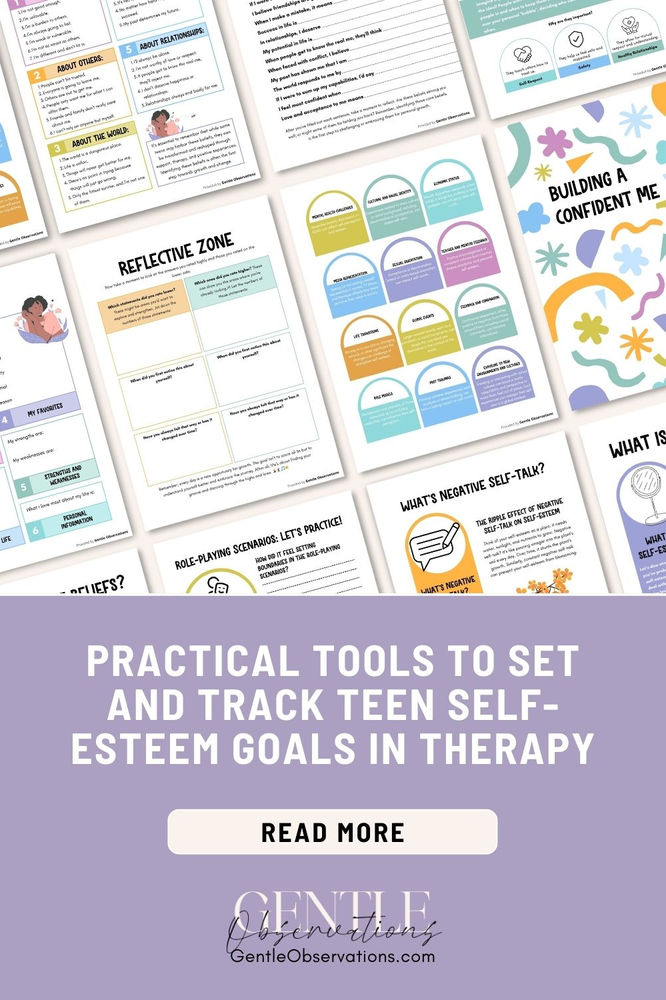
Practical Tools to Set and Track Teen Self-Esteem Goals in Therapy
Working with teens on self-esteem can feel like navigating a maze. Negative self-talk, lingering doubts, Worksheets, ActivitiesSelf-Care & Personal Growth, Teens & Adolescents (Ages 13-19), Therapeutic Tools & Resourcesand the constant influence of social media often create walls that make progress seem impossible. You know how tough it can be to get teens to engage in meaningful exercises or stick with goals that feel too far out of reach. It’s not about a lack of effort—teens often don’t know
Accountability Made Simple: Steps to Achieve Your Goals with Confidence
Why Accountability Matters “How many times have you told yourself, ‘This time will be different,’ only to end up in the same cycle?” You’re not alone. Whether it’s a resolution to improve your relationships, make strides in your career, or focus on personal growth, it’s all too easy for good intentions to fizzle out when life gets in the way. Accountability is more than just sticking to a to-do list or checking off tasks. It’s a powerful tool for creating meaningful, lasting change. Think about
Stick to Your New Year's Resolutions with the Stages of Change Model
It’s that time of year again. The New Year brings a wave of fresh starts and ambitious resolutions. You’re excited, determined, and ready to make this year different. But maybe you’ve noticed a familiar pattern—by February, that initial motivation starts to fade, and old habits quietly creep back in. The truth is, meaningful change doesn’t happen overnight, and without the right tools, even the best intentions can fall apart. That’s where the Stages of Change Workbook comes in. This resource is
Compassion Focused Therapy Tools: Psychoeducational Sheets to Help You Thrive
You’re scrolling through your day, juggling a mix of work responsibilities, family duties, and personal to-do lists. Somewhere in the rush, you realize it’s been a long time since you paused to check in with yourself. If that sounds familiar, you’re not alone—and it’s precisely where Compassion Focused Therapy (CFT) comes in. CFT offers a way to understand and balance the different emotional systems that shape how we react to life’s ups and downs. It’s not just about feeling better but about tru
SFBT Free PDF: Scaling, Miracles, and SMART Goals for Therapists
As mental health professionals, one of the most rewarding yet challenging parts of our work is helping clients set and achieve meaningful goals. Whether it’s overcoming a longstanding issue, improving emotional regulation, or simply navigating the ups and downs of everyday life, goal-setting is a key element of the therapeutic process. But we know it’s not always easy. Some clients may be unsure about their goals, others might be resistant or overwhelmed by the idea of making lasting change, and
Navigating Grief During the Holidays: Practical Tips for Teens and Adults
The Emotional Complexity of Grief During the Holidays The holiday season is often painted as a time of joy, connection, and celebration. Yet, for those who are grieving, it can feel like an emotional minefield. Everywhere you turn, there are reminders of the past—holiday traditions, shared meals, even certain songs—that can make the absence of a loved one feel even heavier. Grief doesn’t take a holiday, and in fact, the festive season often intensifies it. The pressure to feel cheerful can clash
The Ultimate Guide to 8 Types of Coping Skills
Life can feel like an emotional rollercoaster sometimes, can’t it? One moment, everything’s fine, and the next, stress, worry, or frustration can come crashing in like a wave. When that happens, it’s easy to feel stuck or overwhelmed, unsure of what to do next. But what if you had a toolkit—a set of strategies you could reach for when life gets tough? That’s where coping skills come in. Think of them as your mental health first aid kit, ready to help you manage stress, navigate challenges, and f
OCD Treatment Simplified: Practical Tips and ERP Techniques for Therapists
When you think of OCD, your mind might immediately picture someone obsessively cleaning their hands or checking if the door is locked for the fifth time. But OCD, or Obsessive-Compulsive Disorder, goes far beyond just rituals and habits we often see portrayed. For those living with it, OCD can be a deeply disruptive and misunderstood condition. As therapists, it’s easy to see how the complexities of OCD can be overshadowed by these surface-level stereotypes. In reality, OCD can manifest in count
The Therapy Resource Library
Less Scramble, More Presence A letter to fellow therapists (why this exists) The night that tipped it over So I started making the things I couldn’t find: What I wished existed The Therapy Resource Library today Why therapists say it helps Our promise (therapist to therapist) 2) The real problems (and how we relieve them) 3) What’s inside (at a glance) 4) “Will it help me this week?” (mini-scenarios with higher-level tools) 5) Then → Now (proof of growth) 6) Client engagement, made easier 7) Gen
15 Powerful Feelings Wheels to Transform Emotional Regulation for You and Your Clients
What Are Feelings Wheels? Have you ever found yourself caught in a whirlwind of emotions, unsure of how to describe exactly what you’re feeling? Maybe there was a day when you felt something brewing beneath the surface—frustration, sadness, anxiety—but when someone asked how you were doing, all you could muster was, “I’m fine.” Emotions can be incredibly complex, and sometimes, even when we’re feeling something deeply, putting those feelings into words is tough. That’s where feelings wheels come
Spoon Theory Explained: Mastering Your Energy to Prevent Burnout
Do you ever feel wiped out after what seems like just a few simple tasks? Maybe your day feels like a constant battle with energy—where everything, no matter how small, takes so much effort. If this sounds familiar, you’re not alone. People with ADHD and Autism Spectrum Conditions (ASC) often experience this daily struggle with energy. You wake up feeling like you’re starting your day with fewer “spoons” than others, and tasks like getting dressed, focusing, or navigating social situations can q
11 ADHD Superpowers You Didn’t Know Existed (And How to Embrace Them)
Let’s be honest—ADHD is often misunderstood. How many times have we heard words like “disorganized,” “distracted,” or “unable to focus” thrown around when talking about someone with ADHD? It can be frustrating, right? Especially when those labels don’t even begin to tell the full story. But here’s a thought: what if those same traits that get labeled as challenges are actually hidden strengths? What if they’re superpowers? Think about it—have you ever seen a child get so absorbed in an activity
Master ADHD Executive Functioning with These Simple, Effective Strategies
Ever feel like your brain is a bit like an orchestra warming up—each instrument playing its own tune, creating a jumbled mix of sounds? For many with ADHD, this is a familiar scene. The day begins with the best intentions, but staying organized, managing time, and keeping emotions in check can feel like trying to conduct an orchestra without a baton. You might find yourself wondering, “Why is it so hard to get things in order?” or “What can I do to help my child manage their day better?” That’s
12-Week Executive Functioning Curriculum: A Complete Guide for School Counselors
Imagine sitting down with a student who can’t seem to keep their focus or stay organized. You’ve tried everything—from gentle reminders to structured routines—but something just isn’t clicking. Sound familiar? If you’re a school counselor working with children, particularly those with ADHD, you’ve likely seen how executive functioning challenges can derail even the most well-intentioned students. Whether it’s difficulty managing time, controlling impulses, or organizing tasks, these roadblocks c
Your Guide to ADHD Executive Functioning: Tools and Tips for Everyday Improvement
Have you ever felt like your mind is a cluttered desk, piled high with papers, sticky notes, and half-finished projects? For those of us navigating life with ADHD, this analogy often hits close to home. ADHD can turn everyday tasks into monumental challenges, making it feel nearly impossible to keep track of what’s important. But here’s the good news: understanding how ADHD affects executive functioning can be a game-changer. Executive functioning is like the command center of the brain, managin
100 Coping Skills for Skin Picking and Hair Pulling: Expert Tips for Managing BFRBs
Managing Body-Focused Repetitive Behaviors (BFRBs), like skin picking or hair pulling, can feel like a never-ending battle. Maybe you've tried stopping countless times, but the urge always seems to sneak back in when you least expect it. You’re not alone in this struggle—many people face the same challenge every day. But what if I told you there are practical strategies that can help you regain control over these behaviors and start making real progress? In this post, we're going to explore 100
How to Manage Anger: Practical Interventions for Teens and Adults
What is Anger? Anger: A Natural Yet Powerful Emotion Anger is a normal and powerful emotion that we all experience. It often surfaces when we feel threatened, frustrated, or disrespected, triggering a response that’s deeply rooted in our evolutionary past. While today’s triggers aren’t typically life-or-death situations, our brains still react to perceived dangers—like feeling slighted by a friend or facing stress at work—much in the same way they did for our ancestors. Anger isn’t inherently ba
10 Decision Trees for Emotional Regulation: Practical Tools for School Counselors and Therapists
As educators, parents, and counselors, one of the biggest challenges we face is helping young people understand their feelings and find healthy ways to cope. Emotional regulation is key, but teaching it in a way that’s engaging and effective can feel like a daunting task. This is where Decision Trees for Emotional Regulation come in—a fun, convenient, and practical solution that simplifies the complexities of emotional responses. These decision trees work like roadmaps or “choose-your-adventure”
How Inside Out 2 Inspired Tools Can Help Kids Master Complex Emotions
Remember how Inside Out took us on a journey through the mind of a child, teaching us all about the power of emotions? Well, Inside Out 2 is back, and this time, it’s going even deeper—showing us what happens when emotions grow more complex. We all learned something from the original movie—whether it was realizing that all emotions have their place or seeing firsthand how important it is to express how we feel. But what happens when kids grow up and their emotions start to get more complicated?
5 Board Games for Teaching Social Skills, Coping Strategies, and Emotional Regulation
As school counselors, social workers, and teachers, we’ve all faced those moments where engaging a group of students in meaningful conversation feels like pulling teeth. Maybe you’ve tried every strategy in the book to get them talking, or perhaps you’re working with kids who just need that extra push to break through the social-emotional barriers they face. It’s challenging, especially when you’re balancing different personalities, emotional needs, and energy levels all at once. What if there w
Creating a Supportive School Environment with Restorative Justice
Restorative Justice (RJ) is more than just a buzzword in the educational world—it's a transformative approach that fosters healing, accountability, and community. As a school counselor, you might often find yourself in the challenging position of addressing conflicts and behavioral issues among students. Imagine having a toolkit that not only resolves these issues but also builds stronger relationships and a supportive school environment. That's exactly what RJ offers. You may be wondering, "Wha
7 Essential Mindfulness Breathing Exercises for Kids (Free Printable Cards Included)
Imagine a typical day in your school counseling office. You have a young student, let's call him Jake, who comes in with visible signs of distress. His shoulders are tense, his breathing is shallow, and he looks like he’s about to burst into tears. You’ve seen this before – Jake is struggling to manage his emotions, and he needs a strategy to help him calm down. This is where mindfulness breathing exercises can make a world of difference. As a school counselor or child psychologist, you already
Top 3 Coping Skills Toolboxes Every School Counselor Needs
Imagine walking into your counseling office and being greeted by a young student with tear-filled eyes. They've just had a rough recess, and they're struggling to calm down. As a school counselor, you're often the anchor in these emotional storms. But what if you had the perfect set of tools to help students navigate their feelings more effectively? Meet the 3 Coping Skills Toolboxes every school counselor should have: the Zones of Self-Regulation Toolbox, the Grief Coping Skill Toolbox, and the
A School Counselor’s Toolkit: 20 Automatic Negative Thinking Flashcards for Kids
As a school counselor, you’ve likely seen firsthand how anxiety can impact the lives of your students. Imagine a child named Alex, who always seems to be on edge. One day, Alex hesitates to raise his hand in class, fearing he might give the wrong answer and everyone will laugh at him. This hesitation isn't just shyness; it's a glimpse into the world of Automatic Negative Thinking (ANT), where anxious thoughts can spiral and affect a child's daily life. Automatic Negative Thinking can significant
Why Every Therapist Needs the Trauma Measuring Tool
Imagine sitting across from a client who has experienced profound trauma. They struggle to find the words to express the depth of their pain, and you wish there was a way to help them articulate their experience. Trauma is complex and multifaceted, affecting each person differently. As therapists, we often seek tools that can aid in understanding and processing these intricate layers of trauma. This is where the Trauma Measuring Tool comes into play. It’s designed to bridge the gap between the u
15 Effective Activities to Break the Cycle of Depression: A Guide for Therapists
As a therapist, you are undoubtedly familiar with the profound challenges that depression can pose to your clients. The experience of being stuck in a never-ending cycle of depression, where each day feels like a repeat of the last, can make finding a way out seem impossible for them. However, there is hope. By equipping your clients with the right strategies and tools, you can help them break free from this cycle and reclaim their lives. In this blog post, we will explore 15 powerful activities
Mastering Motivational Interviewing: A Therapist’s Guide to Effective Change
Have you ever found yourself at a crossroads with a client, feeling stuck in the cycle of ambivalence? You're not alone. Motivational Interviewing (MI) has become an invaluable tool for therapists like us, navigating the complexities of client motivation and behavior change. Whether you're new to MI or have been using it for years, sometimes we all need a little reminder or a fresh perspective on how to integrate it more effectively into our practice. In this blog, we're going to dive deep into
Practical IFS Techniques to Enhance Your Therapy Sessions
Ever wondered why everyone is talking about Internal Family Systems (IFS)? Well, here's the scoop! Imagine a therapy approach that not only helps your clients understand themselves better but also transforms their internal conflicts into harmonious interactions. That's exactly what IFS does, and it's no wonder therapists everywhere are buzzing about it. In this post, we’ll dive into the world of IFS, uncovering what it is, why it’s generating so much excitement, and how it can be a game-changer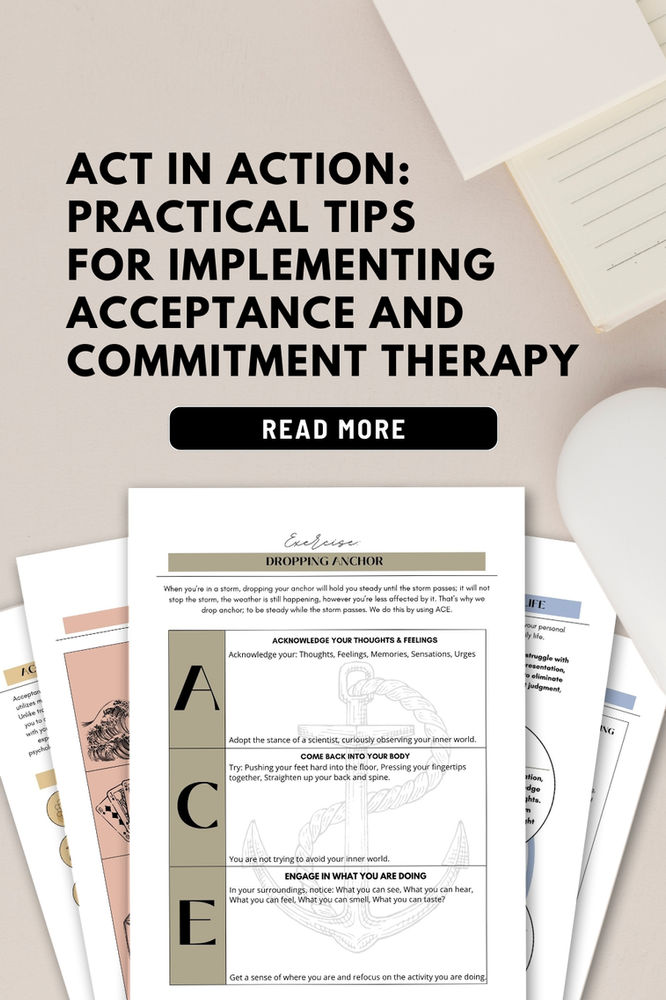
ACT in Action: Practical Tips for Implementing Acceptance and Commitment Therapy
Have you ever found yourself searching for effective, practical techniques to help your clients navigate their challenges? Acceptance & Commitment Therapy (ACT) offers a rich toolkit of interventions designed to foster psychological flexibility and resilience. Whether you're new to ACT or have already started incorporating its principles into your practice, understanding and utilizing these interventions can profoundly impact your clients' progress. In this post, we'll delve into six key ACT int
Resentment in Relationships: Causes, Effects, and Management Strategies
Have you ever found yourself holding onto a grudge, feeling a simmering anger that just won't go away? Maybe it's something your partner said or a recurring behavior that drives you up the wall. Resentment is a common but often misunderstood emotion that can quietly erode the foundation of any relationship. Understanding and managing resentment is crucial for maintaining healthy, thriving relationships. Whether it's with your partner, a family member, or a close friend, learning how to navigate
4 Practical Resources to Understand and Manage Shame, Guilt, and False Guilt
Have you ever found yourself tangled in a web of emotions, struggling to differentiate between feeling ashamed, guilty, or even burdened by a sense of false guilt? You're not alone. These emotions are complex, yet understanding them is crucial for our emotional well-being and personal growth. Imagine having a clear map that guides you through these feelings, helping you use the right terminology and, ultimately, fostering a deeper sense of self-awareness. That's exactly what we'll explore in thi
5 Practical LGBTQ+ Tools for Inclusive Mental Health Practice
As a mental health professional, you know the importance of having the right tools to support your clients. The journey of understanding and navigating one’s sexual orientation and gender identity can be complex, and having the right resources can make all the difference. Let's explore five essential LGBTQ+ resources that can significantly enhance your practice and improve the support you provide to your clients. Have you ever had a young client walk into your office struggling to understand the
The Drama Triangle Workbook: Tools for Relationship Transformation
Have you ever felt trapped in a cycle of conflict or negativity in your relationships? Do you find yourself continuously in heated arguments, feeling attacked, getting defensive, or trying to diffuse the situation without understanding how you got there? These roles, known as the Victim, Persecutor, and Rescuer, are central to the Drama Triangle. But fear not, understanding this triangle is the first step toward breaking free from its grasp. In this blog post, we're going to unravel the complexi
Caring vs. Carrying: Recognizing Signs of Compassion Fatigue
Have you ever sat across from a client who seems to be carrying the weight of the world on their shoulders? As therapists, we're no strangers to witnessing our clients navigate challenging emotions and difficult situations. But what happens when our clients start to blur the lines between caring deeply for others and shouldering their burdens to the point of exhaustion? That's where we come in. Today, we're diving into the empowering concept of 'Caring Vs Carrying' and how you, as a therapist, c
15 Self-Esteem Activities for You to Do with Your Teen Clients
As a mental health professional working with teens, you understand the critical role that self-esteem plays in their overall well-being. Adolescence is a time of rapid change and development, where young individuals are navigating various challenges, from academic pressures to social dynamics. During this crucial period, fostering healthy self-esteem is key to helping teens navigate these challenges with resilience and confidence. We'll explore 10 self-esteem activities that you can do with your
Mastering Accountability: Techniques for a Successful Session
You know those clients who seem to hit a roadblock every time they try to make a change? They set goals with the best intentions, but life gets in the way, and they struggle to follow through. It's frustrating to watch, isn't it? As therapists, we understand the frustration of watching our clients struggle with accountability. But what if there was a way to break this cycle? Accountability—a fundamental pillar of personal growth and change. This post aims to equip you with the tools and insights
Embracing Change and Balance: The Comprehensive Impact of DBT
Have you ever found yourself overwhelmed by emotions during stressful situations, or struggled to maintain healthy relationships with those around you? If so, you're not alone, and there's a powerful approach that might just be what you need: Dialectical Behavior Therapy, or DBT. DBT is a type of therapy designed to help people manage intense emotions, improve relationships, and live more mindfully. Originally developed to treat borderline personality disorder, it has proven effective for a wide
Somatic Therapy Essentials: Exploring Felt Senses for Emotional Healing
Have you ever felt like your body was trying to tell you something? Maybe you've experienced a tightness in your chest when you're anxious or a knot in your stomach when you're stressed. These physical sensations are more than just bodily reactions; they're part of what somatic therapists call the "language of sensations." For individuals with Post-Traumatic Stress Disorder (PTSD), understanding this language can be a crucial step toward healing. PTSD can impact every aspect of a person's life,
Navigating the Stages of Change: A Comprehensive Guide for Personal Growth and Therapy
Ever felt like you're standing at the edge of a big change, but not quite sure how to take the leap? Maybe it's breaking an old habit, starting a healthier routine, or dealing with something as complex as addiction. I know, it can feel like a mountain to climb. But what if I told you there's a map to help you navigate this journey? Enter the Stages of Change Model, your friendly guide to transformation. Created by James Prochaska and Carlo DiClemente back in the late 1970s, this model started wi
Helping Kids Overcome Anxiety: Practical Tools and Techniques
Anxiety isn't just an adult problem; kids experience it too. But unlike adults, children might not understand what they're feeling or how to express it. Have you ever watched a child's eyes widen with worry or their small shoulders tense up with fear? Or have you ever noticed how a child who's usually full of energy and smiles can suddenly become quiet and withdrawn? You might wonder, 'What's going on in their little mind?' This is where understanding anxiety in kids becomes crucial. Anxiety in
Behind the Mask: The Emotional Toll of Masking in ADHD and Autism
Have you ever noticed someone you care about, perhaps a child or a friend with ADHD or autism, acting differently depending on who they're with or where they are? Maybe at school or in social settings, they seem to hide their true selves, only to reveal a different side in the comfort of their home. This behavior, known as masking, is a common coping mechanism for individuals with ADHD and autism. They often feel the need to conform to societal norms or expectations to fit in, avoid judgment, or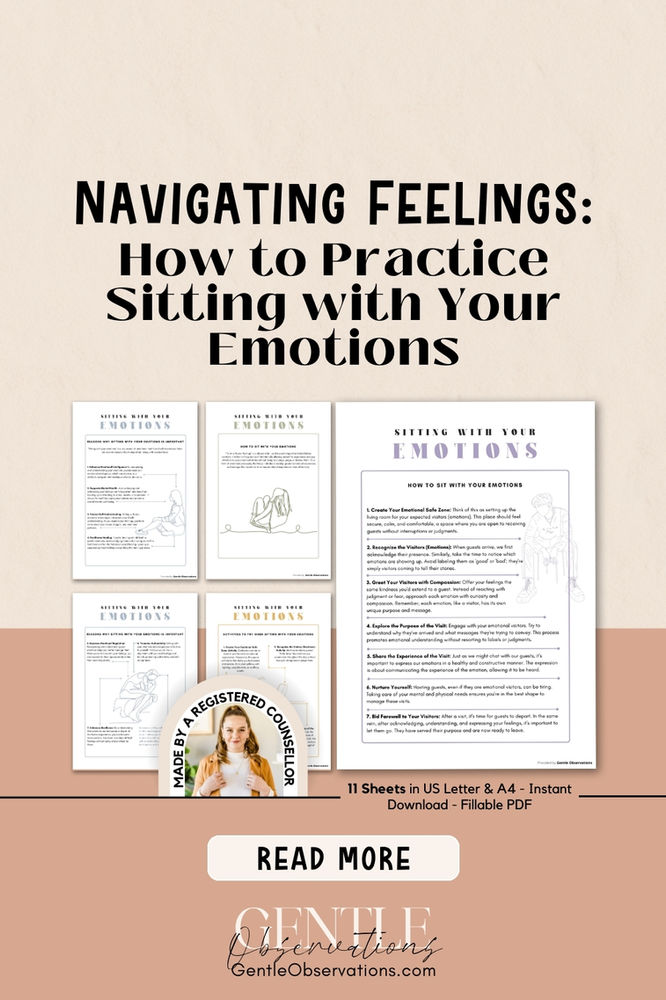
Navigating Feelings: How to Practice Sitting with Your Emotions
Welcome to our journey into the heart of our emotions. Imagine you're sitting by a gently flowing stream, watching the water pass by. Just as we observe the water without trying to change its course, we're going to explore the art of sitting with our emotions—allowing them to be, without rushing to alter them. In today's fast-paced world, we often find ourselves caught in a whirlwind of feelings, sometimes without even realizing it. Have you ever felt a wave of sadness during a rainy day but pus
Empowering Healing: 60 Effective Coping Skills for Self-Harm Prevention
Welcome to the journey toward understanding and improving teen mental health. If you're here, it's likely because you care deeply about a young person in your life or maybe you're a teen yourself, looking for ways to navigate the often challenging world of emotions and self-expression. It's no secret that adolescence can be a tumultuous time, with so many changes happening both inside and out. One of the hurdles that many teens face is the issue of self-harm, a topic that's not always easy to ta
Mind-Body Connection: Exploring Somatic Therapy for Emotional Well-Being
Imagine waking up feeling anxious, your body tense with the weight of past experiences. It's like carrying a heavy backpack that never seems to empty. But what if there was a way to lighten that load, to unlock your body's natural healing ability and find a sense of lightness and ease? That's where Somatic Therapy comes in. Somatic Therapy is like a bridge between your mind and body, recognizing that they are deeply connected. It's not just about talking through your feelings; it's about underst
Breaking the Ice with Teens: Using Games to Foster Communication
Imagine sitting across from a teenager in your therapy session, wanting to help them open up and share their thoughts and feelings, but facing a wall of silence or vague responses. Connecting with teens in therapy can be challenging, as they often feel hesitant or unsure about sharing their innermost thoughts. Building rapport and trust is key to helping teens feel comfortable enough to open up, but how can we effectively break the ice and encourage meaningful communication? We'll go through som
The Forgotten Loss: Understanding and Coping with Disenfranchised Grief
In the quiet moments of the night, when the world seems to pause and take a breath, our thoughts often turn to the paths we've walked, the people we've loved, and the losses we've endured. Sometimes, these reflections bring us face to face with a type of mourning that lurks in the shadows, one that doesn't always get the recognition it deserves—disenfranchised grief. It's the kind of grief that comes from losses not acknowledged by society, the pain of a relationship ending that others might not
Navigating Boundaries: A Roadmap to Better Relationships and Self-Care
Picture this: It's a typical Wednesday evening, and you're at a friend's dinner party. The room buzzes with laughter and casual chatter, the kind of relaxed atmosphere you usually enjoy. But then, your friend asks you to help with organizing their upcoming event, knowing well your hectic schedule. You feel a twinge of stress, a silent battle between the urge to say no and the fear of disappointing them. It's moments like these where the concept of 'boundaries' leaps from textbook pages into our
Navigating Conflict in Relationships: Reacting vs Responding Strategies
In the heart of couples therapy lies a crucial element: effective communication. It's here that the distinction between 'reacting' and 'responding' becomes pivotal. While reacting is often immediate and emotionally driven, responding is thoughtful and considerate. This subtle yet significant difference can dramatically alter relationship dynamics. In our roles as facilitators of understanding and connection, recognizing and guiding couples through this dichotomy is key. The "Reacting vs Respondi
10 Oxytocin-Boosting Self-Care Strategies
Understanding Oxytocin and Your Mental Health Oxytocin, often celebrated as the 'love hormone,' is a pivotal yet underappreciated player in the realm of mental well-being. This natural substance, produced in the brain, is key to fostering not only emotional connections but also enhancing overall mental health. It is linked with happiness, trust, and the reduction of stress, transcending its traditional associations with bonding and relationships. While oxytocin takes center stage, it's part of a
Couple Connection 101: Building Better Relationships through Conversations
Communication is fundamental in nurturing and maintaining a strong relationship. It's about more than exchanging information; it's about connecting on a deeper emotional level. Effective communication involves understanding, empathy, and intimacy. When both partners engage openly and honestly, sharing their emotions and thoughts, it strengthens the bond between them. The Importance of Communication in Your Relationship: Communication is the lifeline of a relationship. It goes beyond mere words,
Therapeutic Intervention Cheat Sheet: A Game-Changer for Modern Therapists
Hey there, fellow therapist, It's no secret that our line of work, while immensely rewarding, can occasionally throw us curveballs. Remember that time you had everything planned for a session, and then your client threw you a twist? One that left you momentarily stumped on the best course of action? I've been there. One of the most challenging aspects of our job is the immense diversity and complexity of human emotions and experiences we encounter. Every client brings a unique narrative, and whi