
30+ Executive Functioning Strategies Across 7 Core Areas
8 min read
When Daily Tasks Feel Like Climbing a Mountain
Have you ever sat staring at your to-do list, knowing exactly what needs to get done, but still feeling completely stuck? Maybe you bounce between tasks without finishing, lose track of time, or forget small but important details. It is frustrating, and it can leave you wondering, “Why does everything feel so much harder than it should?”
The truth is, you are not lazy. What you are bumping up against is called executive functioning, your brain’s control system that manages memory, focus, organization, emotions, and the ability to start tasks. When these skills are challenged, even the simplest things can feel like climbing a mountain.
The good news is, you don’t need an overwhelming system or a perfect routine to see progress. Sometimes it is the tiniest shifts that open the biggest doors. In this post, I’ll share some of those small but powerful strategies so you can try them out in real life and see what actually makes a difference for you.
If you want a deeper look at how executive functioning works, you might also enjoy reading our earlier blog, Master ADHD Executive Functioning with These Simple, Effective Strategies. For now, we’ll focus on quick wins you can start using today, practical little changes that fit into your day without adding extra stress.

What Makes Executive Functioning So Tricky?
Executive functioning sounds simple on paper, but living with challenges in this area can affect nearly every part of daily life. It is the reason you might forget an appointment, struggle to switch between tasks, or put things off until the very last moment.
When executive functioning skills are under strain, small tasks can snowball into overwhelming hurdles.
It is not a lack of willpower.
It is about the brain’s control system working harder than usual to juggle memory, organization, emotions, and focus all at once.
Think about those moments when you sit down to start something important, only to get distracted by another task, then forget where you left off. Or when you feel frozen because the steps ahead feel unclear. These are real signs of executive functioning struggles, and they happen to many people, especially those navigating ADHD.
Knowing that these struggles are part of how the brain works, not a personal failure, can be the first step toward change. Once you recognize them, you can start to practice small strategies that lighten the load.

Why Tiny Shifts Create Big Wins
When you are already overwhelmed, big changes feel impossible. That is why small, repeatable shifts can be so powerful. They are easier to start, easier to maintain, and they build confidence as you go.
Think of it like strengthening a muscle. One workout will not transform your body, but doing a few manageable reps consistently makes you stronger over time. Executive functioning works the same way. Each little adjustment teaches your brain a new way to manage tasks, focus, and emotions.
Even tiny strategies, like writing down one next step instead of a full plan, can turn paralysis into progress. Over time, these quick wins stack up and help you feel more in control of your day.
Quick Wins for Everyday Executive Functioning in Real Life (30+ Strategies)

1. Working Memory Hacks
1.1 Use sticky notes where you will actually see them, like on the fridge or bathroom mirror. Scenario: You keep forgetting what groceries to pick up. Writing “milk, bread, apples” on a sticky note and putting it by the door helps you remember on the way out. 1.2 Repeat information out loud before moving on, especially directions or steps. Scenario: At work, you repeat back meeting notes to a colleague so the tasks stick in your head. 1.3 Pair tasks with visual cues, like leaving your water bottle by the door so you remember to take it. 1.4 Break information into smaller chunks, such as dividing a grocery list into categories. 1.5 Try memory tricks, like creating an acronym or short rhyme to help something stick.
2. Task Initiation Tips
2.1 Try the 2-minute rule: if it takes less than 2 minutes, do it now. Scenario: Tossing laundry in the washer right away instead of leaving it for later prevents pileups. 2.2 Use the “just open it” trick, like opening a document to break the barrier to starting. Scenario: Opening the presentation file, even if you only type the title, helps you begin.2.3 Set a timer, like Pomodoro, to make the first step less intimidating. 2.4 Start with the easiest piece of the task to build momentum. 2.5 Tell a friend or partner your plan, creating accountability and motivation to begin.
3. Emotional Control Tools
3.1 Take one grounding breath before reacting to stress or conflict. Scenario: A family disagreement leaves you ready to snap, but one deep breath helps you reset your tone. 3.2 Try the “name it to tame it” method by labeling your feeling in the moment. 3.3 Do a quick reset, like a short walk, gentle stretch, or stepping outside. 3.4 Keep a calming object nearby, like a stress ball or smooth stone, for when emotions rise. 3.5 Write down positives when you feel overwhelmed, to shift perspective and calm your thoughts.
4. Planning and Organization Strategies
4.1 Do a brain dump and then circle your top 3 priorities. Scenario: Feeling stuck in the morning, you jot down everything swirling in your head, then choose just three things to focus on.
4.2 Stick with one planner or app consistently instead of juggling multiple systems. 4.3 End your day with a short list for tomorrow, even just three things. 4.4 Use color-coding or symbols to highlight urgent vs. non-urgent tasks. 4.5 Keep your physical space tidy so you spend less time searching for what you need.

5. Flexible Thinking Practices
5.1 Ask “What’s another way?” when stuck or frustrated. Scenario: Traffic reroutes you. Instead of panicking, you try an alternate route and discover a quicker way home.
5.2 Practice curiosity instead of judgment, especially in conversations.
5.3 Try one new experience each week, no matter how small, like a new recipe or walking route.
5.4 Play puzzle games or problem-solving apps to strengthen adaptability.
5.5 Remind yourself of past successes where you adapted well to build confidence.
6. Impulse Control Supports
6.1 Use the STOP technique: Stop, Take a breath, Observe, Proceed. Scenario: You want to buy something online immediately, but pausing for a breath keeps you from overspending.
6.2 Delay gratification by setting a short timer before giving in to an urge.
6.3 Remove easy triggers, like turning off notifications or moving distractions out of sight.
6.4 Keep healthy snacks or water nearby so your default choices support you.
6.5 Pause and ask, “Will this help me or set me back?” before acting.

7. Self-Monitoring Boosts
7.1 Set checkpoints during tasks to pause and check if you are on track.
Scenario: You are working on a report and pause halfway to review your progress, catching a mistake before it grows bigger.
7.2 Use reminders or alarms to nudge yourself back when you drift off task.
7.3 Keep a simple log or tracker to notice patterns in your focus and productivity.
7.4 Ask for gentle feedback from someone you trust to help spot blind spots. Scenario: A coworker points out that you often rush the ending of presentations, giving you a chance to slow down next time.
7.5 Reflect at the end of the day on what worked well and what you want to adjust tomorrow.

These strategies may look small, but applied in daily life they help you avoid overwhelm, reduce stress, and give you tools you can rely on when challenges pop up.
A Toolkit to Make These Wins Stick
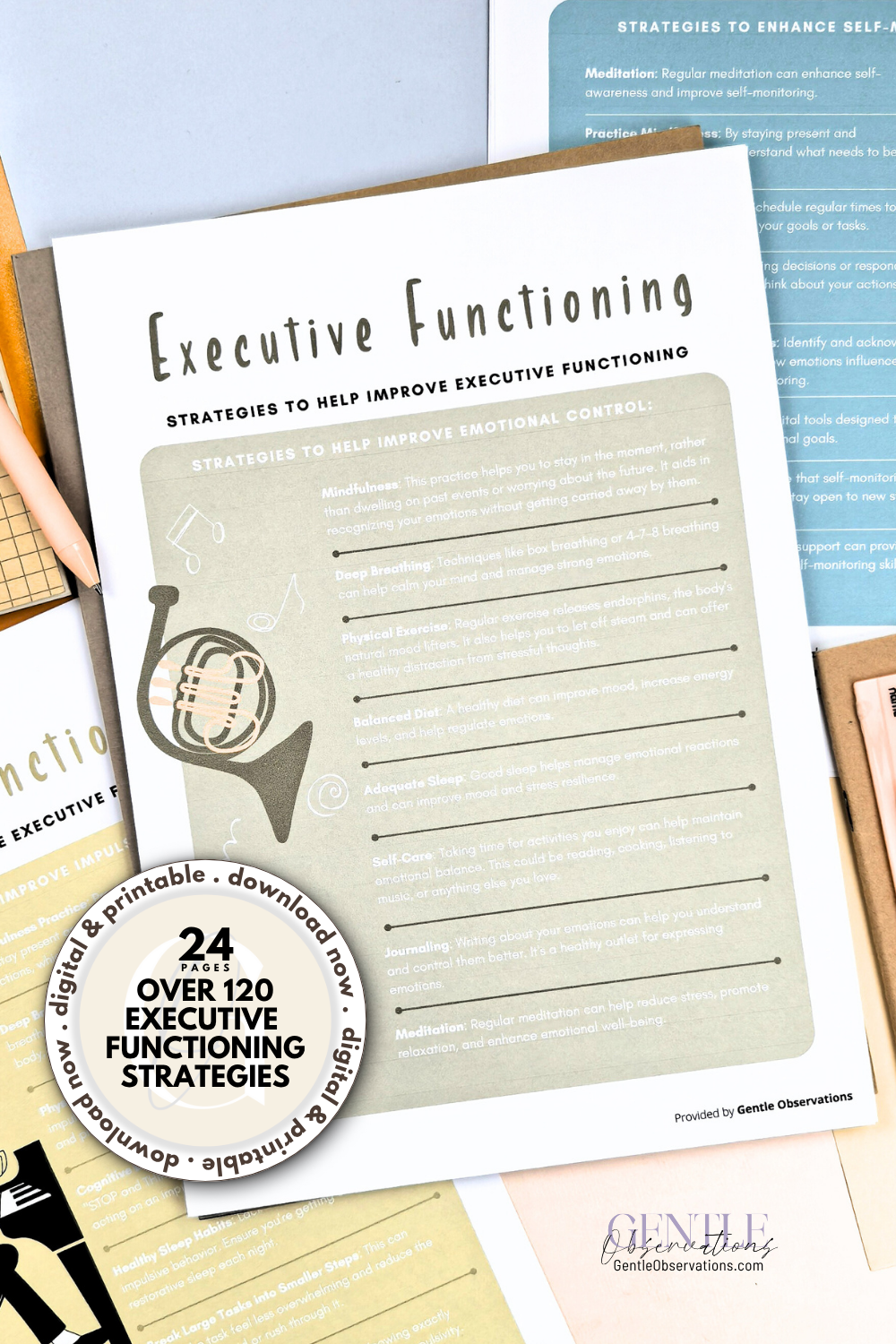
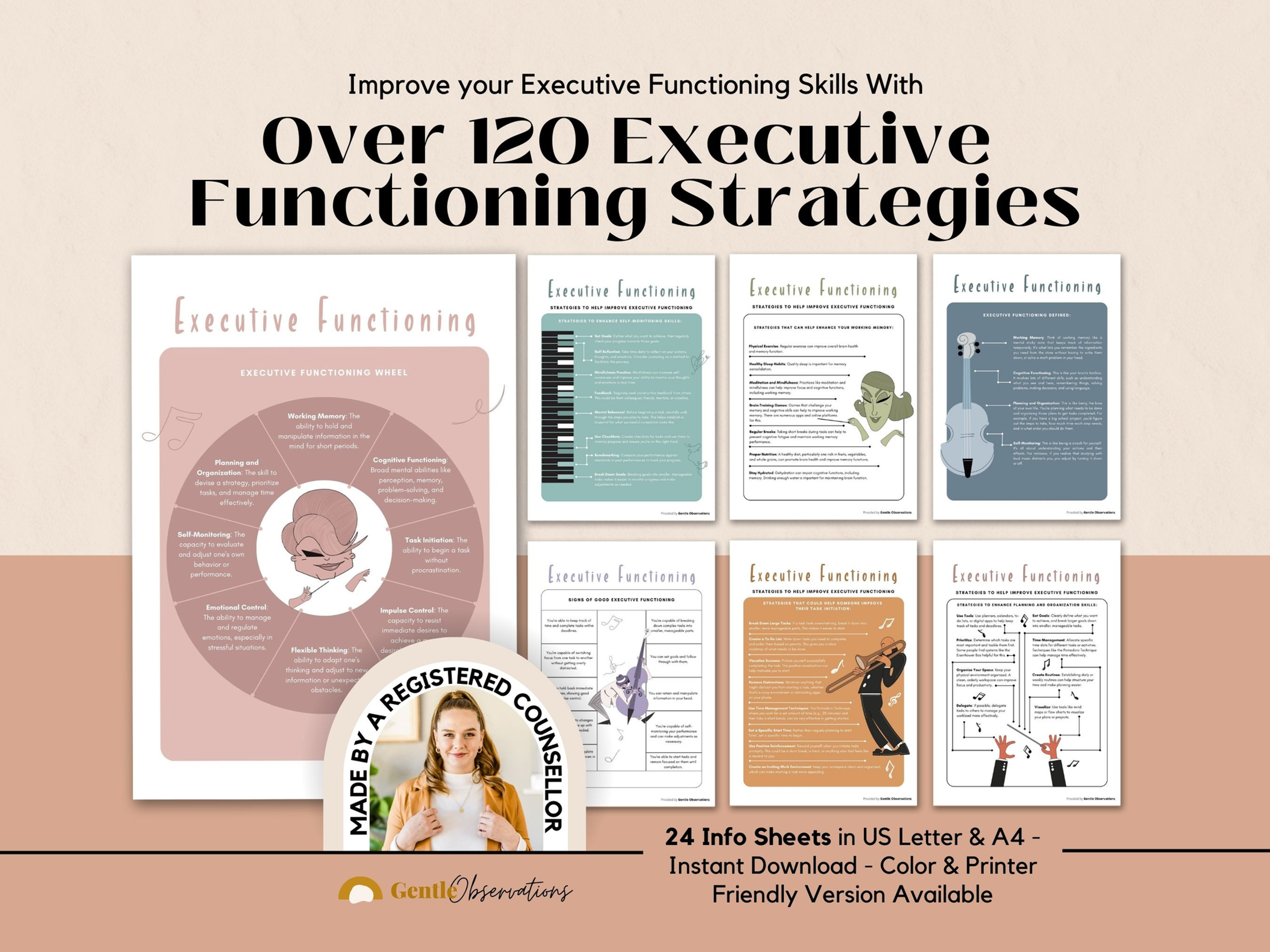
Quick wins work best when you have a way to repeat them until they become habits. That is where the Executive Functioning Strategies Toolkit comes in. This resource pulls together practical strategies, worksheets, and the Executive Functioning Wheel so you can see your strengths and challenges at a glance.

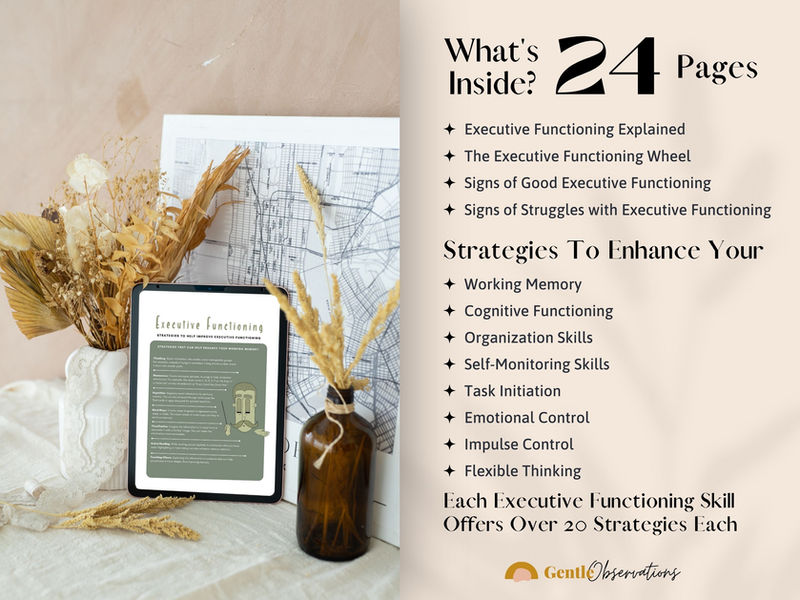
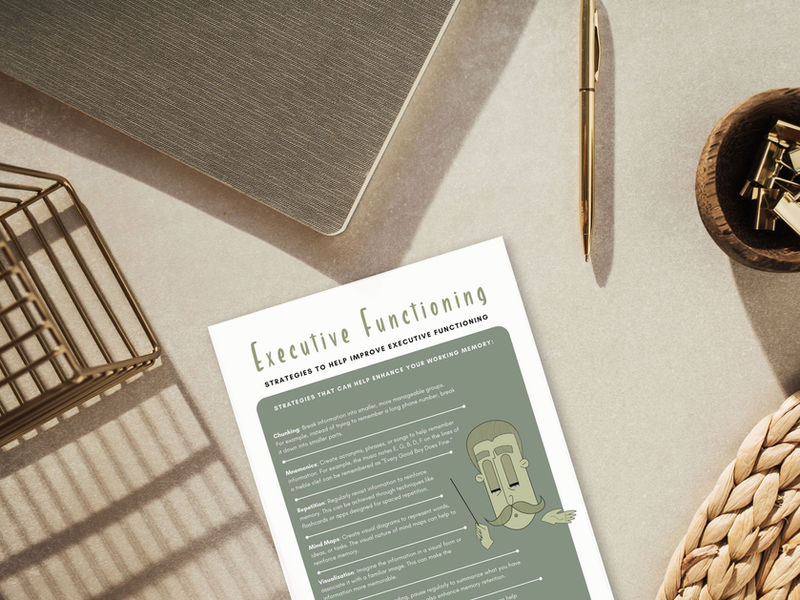


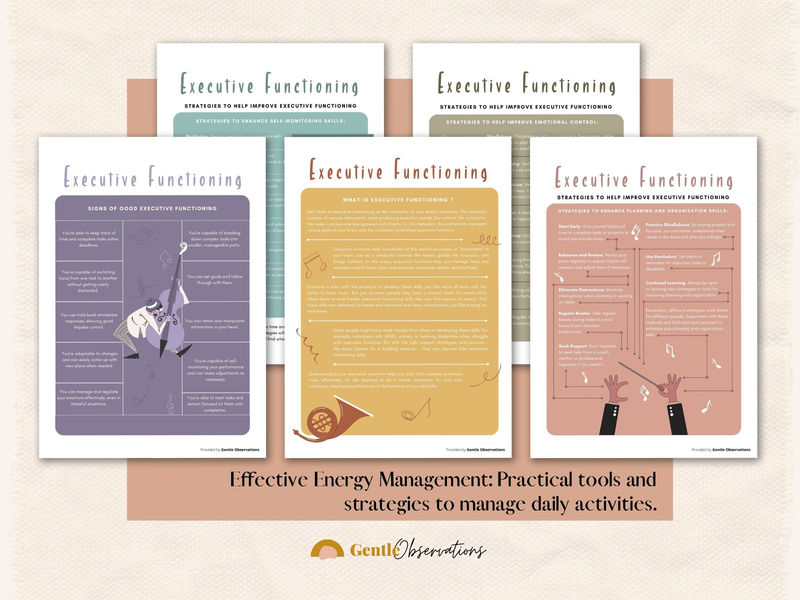

Inside, you will find:
Step-by-step worksheets that guide you through planning, task initiation, and emotional regulation, so you are not left wondering what to try next.
Visual tools like the Executive Functioning Wheel that make it easier to identify where you need support most and where you already have strengths you can build on.
Strategies broken down by skill area, including working memory, organization, flexible thinking, and impulse control, so you can focus on exactly what matters to you.
Printer-friendly and color versions in both A4 and US sizes, so you can use the format that fits your needs best.
Simple explanations paired with practical exercises, making it easy to understand the “why” behind each tool and then put it into practice.
The benefits go beyond just reading about strategies.
With the toolkit you can:
Create a daily or weekly routine that feels achievable instead of overwhelming.
Track your progress and celebrate small wins as you build consistency.
Reduce procrastination by using structured prompts that gently guide you into action.
Feel calmer and more in control when challenges come up, because you know you have a plan to lean on.
Strengthen one executive functioning skill at a time, or work across several areas depending on what your day demands.
 Executive Functioning Strategies$5.00Buy Now
Think of it as having your own structured guidebook, ready whenever you feel stuck. Instead of starting from scratch, you can turn to the toolkit and know you have strategies that work. It helps you not only try quick wins but actually build them into your everyday life, with enough variety and guidance to support you for the long term.
Free Support to Get StartedIf you are not ready for a full toolkit yet, there is still something that can help right away. The free guide, Introduction to 120 Executive Functioning Coping Skills, gives you a wide range of small, simple techniques to experiment with. 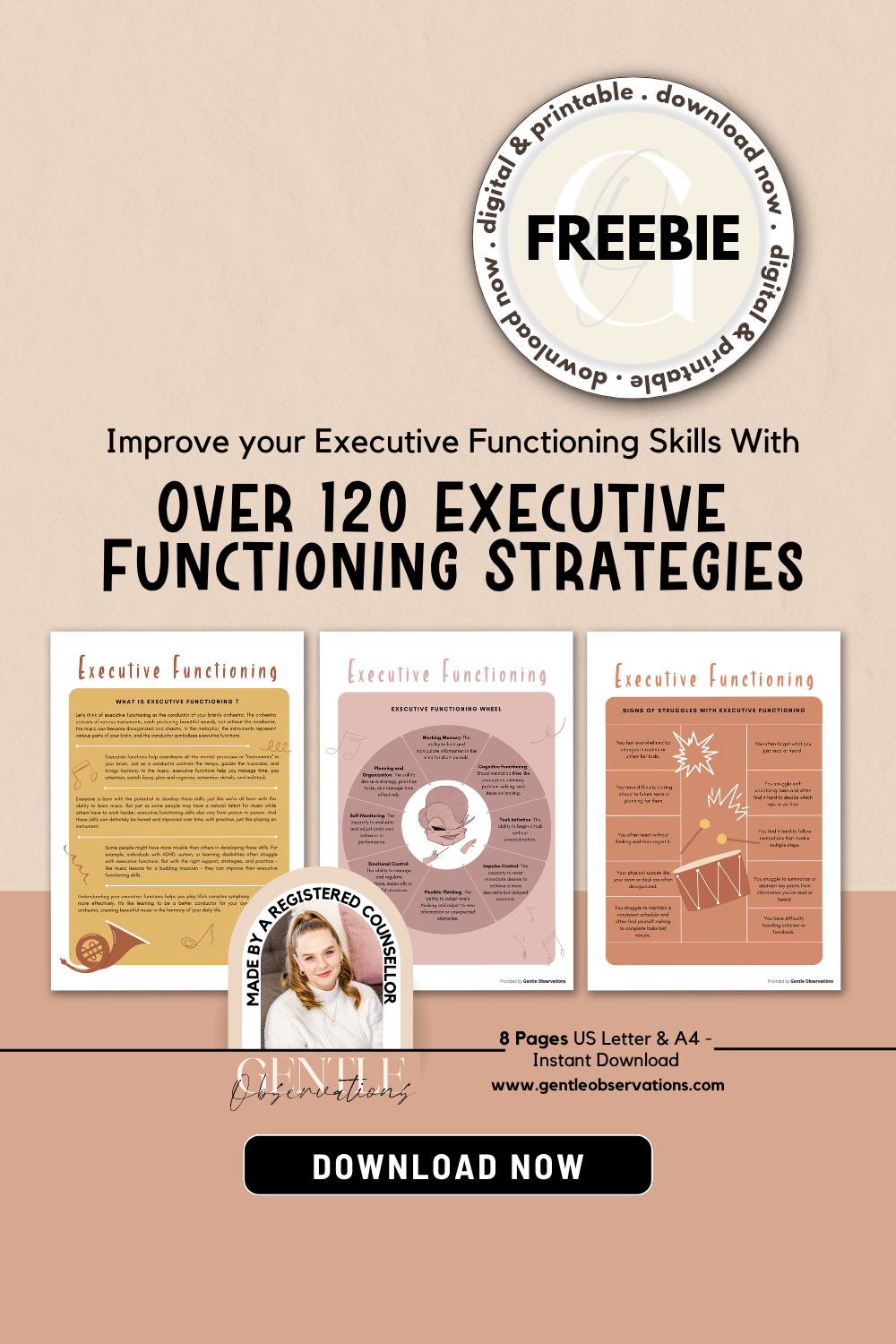 This freebie includes:
It is a helpful first step if you want to dip your toes in and get inspired without feeling pressure. Once you find a few strategies that make a difference, you will be in a better place to make use of the full toolkit for longer-term support. |
Gentle Observation: Progress with executive functioning does not happen all at once. It comes from noticing the small changes that work for you, repeating them, and slowly building new habits over time. Some days will feel easier than others, and that is okay, because consistency is more important than perfection. What matters most is that you are showing up for yourself, one step at a time, choosing to try again even if yesterday felt difficult. Even the tiniest shifts, like writing one note or taking one pause to breathe, can add up to meaningful change when practiced regularly. The progress may feel slow, but it is steady, and each choice you make to support yourself is worth celebrating.
From my own experience, I know how discouraging it can feel when things do not fall into place right away. But I have also seen how powerful it is to recognize and honor the little steps. Maybe it is checking one thing off a list, choosing rest instead of pushing through, or finally asking for help. These moments matter. They remind you that you are moving forward, even when it feels like a crawl.
You deserve to recognize not just the big milestones, but also the smaller victories that quietly shape your daily life. And I hope this reminder helps you give yourself permission to celebrate every effort, no matter how small, as proof that you are doing the best you can, right where you are.
Jemma (Gentle Observations Team)
P.S. Therapy Resource Library members can access the Executive Functioning Strategies Toolkit right inside your membership. Make sure to log in and download your copy today.
P.P.S. Not a member yet? The Therapy Resource Library gives you access to hundreds of ready-to-use tools, including this one. It is the easiest way to keep your sessions fresh and supportive. Learn more here.
P.P.P.S. Looking for more ideas? Read our blog: Master ADHD Executive Functioning with These Simple, Effective Strategies.